
Behind every French fry served at a fast-food restaurant lies a precisely controlled chemical reaction—Maillard Reaction. This is a non-enzymatic browning reaction that occurs when reducing sugars in potatoes react with amino acids during high-temperature frying, giving french fries their mouthwatering golden color and toasty aroma. However, this is a double-edged sword: if the sugar content in the raw ingredients gets out of control, the result can go from an enticing golden brown to a charred, bitter disaster. InvestigationReasons Why Frozen French Fries Turn Black...we must look further upstream to the internal chemical changes occurring in the raw materials.
I. Controlling Browning in French Fries: The Double-Edged Sword of the Maillard Reaction
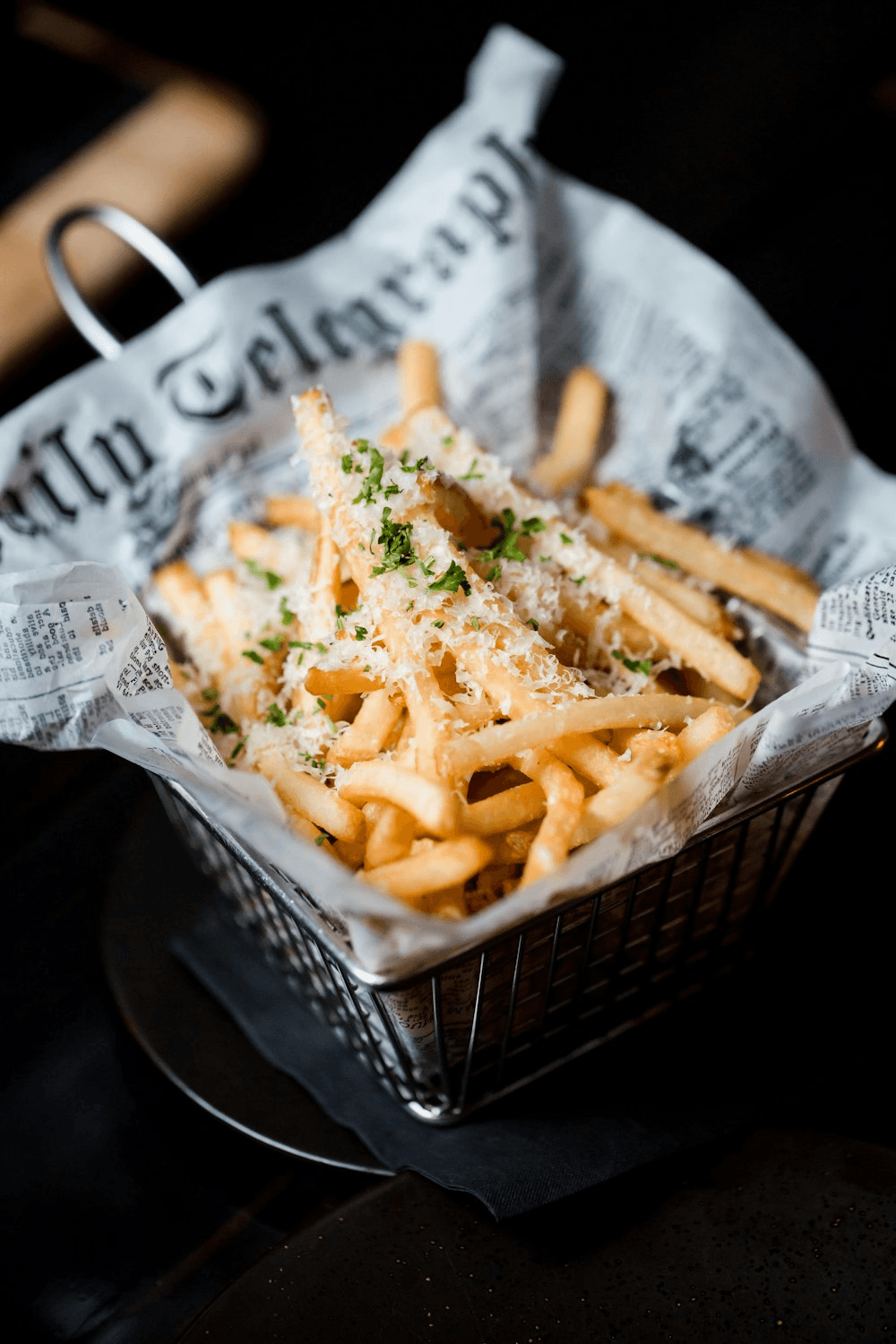
At oil temperatures above 150°C, free glucose, fructose, and other substances inside the potatoesReducing sugarsIt rapidly reacts with asparagine to form hundreds of flavor compounds, including pyrazines and furans. When the concentration of reducing sugars is appropriate, the color is a uniform golden yellow; however, if the reducing sugar content in potatoes exceeds the recommended level, not only does the surface tend to scorch and turn black (becoming extremely dark), but the production of acrylamide—a byproduct and potential carcinogen—also increases exponentially.
On a modern production line, after being cut into strips, the potatoes go throughBlanchingThis process washes away free sugars on the surface, thereby reducing browning during frying. However, this only addresses “surface sugars.” If the entire interior of the raw potato has “excessive saccharification,” simple industrial blanching alone is simply not enough to remedy the situation.
II. Identifying the Root Cause: The “Low-Temperature Saccharification” Phenomenon in Potatoes
The problem often doesn’t lie in the frying oil, but is rooted much earlier—in the raw material warehouse. Understanding “cold-induced sweetening” is the first step in controlling the quality of potato raw materials.
Many novice suppliers mistakenly believe that “the lower the temperature, the longer the shelf life.” In fact, the opposite is true: when the storage temperature drops to Below 4°CAt this point, the activity of potato starch phosphatase increases abnormally, causing large amounts of what would otherwise be stable starch to be hydrolyzed into glucose and fructose. Overcooling, on the other hand, can cause the raw material to undergo “saccharification and spoilage” before it even reaches the pot.
The saccharification process is typically divided into three stages: the initial stage (weeks 1–4 after storage), during which reducing sugars accumulate gradually at a rate of 0.051 TP3T per week; the rapid stage (weeks 4–12), when enzymatic reactions reach peak efficiency and sugar levels surge; Finally, the process enters a high-concentration stabilization phase, at which point the potatoes completely lose their processing value and become waste.
III. Why is 0.15% the golden standard for ingredients in high-end fast-food supply chains?
In the global frozen French fries industry,0.151 TP3T (fresh weight)This figure has become the dividing line between high-end brands and low-end mass-market products. In the global procurement standards of leading international fast-food brands such as McDonald’s and KFC, the acceptance criteria for incoming raw materials are extremely stringent. This is not only to ensure perfect alignment with the frying color chart but also to maintain compliance with food safety standards regarding acrylamide levels.
IV. Anti-Saccharification Storage Technology: Junsheng’s 100,000-metric-ton Constant-Temperature Warehouse—A Powerful Defense
For potato product processing giants that use tens of thousands of metric tons annually, the industry’s traditional “reconditioning” method—which involves leaving the potatoes at 15°C for several weeks to reverse the conversion of sugar back into starch—is merely a last-resort measure. This is because reconditioning not only causes the potato chunks to lose moisture and become soft, but also indicates a serious failure in warehouse management.The highest level of quality control is always prevention.
The red line for glycation has been clearly defined,Anti-Glycation Storage TechnologyThe ultimate solution emerged: keeping the potatoes at The optimal temperature range of 7–10°C for preventing sugar accumulation. The 100,000-metric-ton microcomputer-controlled intelligent temperature-controlled storage system, developed by Junsheng Agriculture at great expense, was created precisely to safeguard this core metric:
-
1
Precise Temperature Control by Zone and AI Predictions and Alerts
The entire warehouse is divided into dozens of independent temperature-controlled zones, with sensor nodes installed every 50 square meters. The system can proactively adjust the refrigeration or ventilation network based on the volume of incoming goods, outside temperature, and even the frequency of door openings, ensuring that the core temperature zone is maintained year-round at 8°C ± 0.5°C, fundamentally blocking the glycation stress pathway.
-
2
NIR (Near-Infrared Spectroscopy) Rapid Incoming Goods Screening
We reject “blind box”-style stockpiling. Before each batch of bulk raw potatoes is unloaded, we use near-infrared detection equipment to complete a rapid test for reducing sugars within 90 seconds. Batches that exceed the limit are intercepted and returned on the spot, ensuring that a single defective potato does not compromise the quality of the entire warehouse.
-
3
End-to-End Digital Traceability and Quality Consistency
Junsheng creates a digital record for each batch of potatoes that includes “initial sugar content upon storage + temperature control curve throughout the entire lifecycle.” This ensures that the raw materials delivered to downstream frozen French fry contract manufacturers—from the very first batch to the very last—maintain a consistently uniform color when fried.