Junsheng Agriculture · Potatoes for the Food Industry

Potato Flour Manufacturers
Potato Flakes · Potato Granules

Hebei Junsheng Agricultural Technology Co., Ltd. serves food manufacturers, the foodservice supply chain, and ingredient distributors by providing Potato Flakes and Potato Granules and bulk purchasing coordination.

  • Product Selection
  • Specification Discussion
  • Sample Evaluation

Watch the video on its own ↗

JUNSHENG AGRICULTUREFrom Raw Materials to Whole Powder: Understanding Production and Applications
Full-Flour ProcessingPotato Snowflake Slices + Granulated Powder
Temperature-Controlled WarehousingCoordination Between Raw Material Preservation and Storage and Transportation
Seed Potato PropagationVirus-free Seedlings · Original Master Seed · Master Seed
Process ControlDrying · Processing · Storage
Core Products

Potato Flour Series — Bulk Direct Supply

We control drying process parameters to ensure the preservation of potato cell structure and offer differentiated specifications to meet the needs of various food processing applications. We provide support for product selection and customization feasibility based on mesh size, rehydration performance, and particle size distribution.

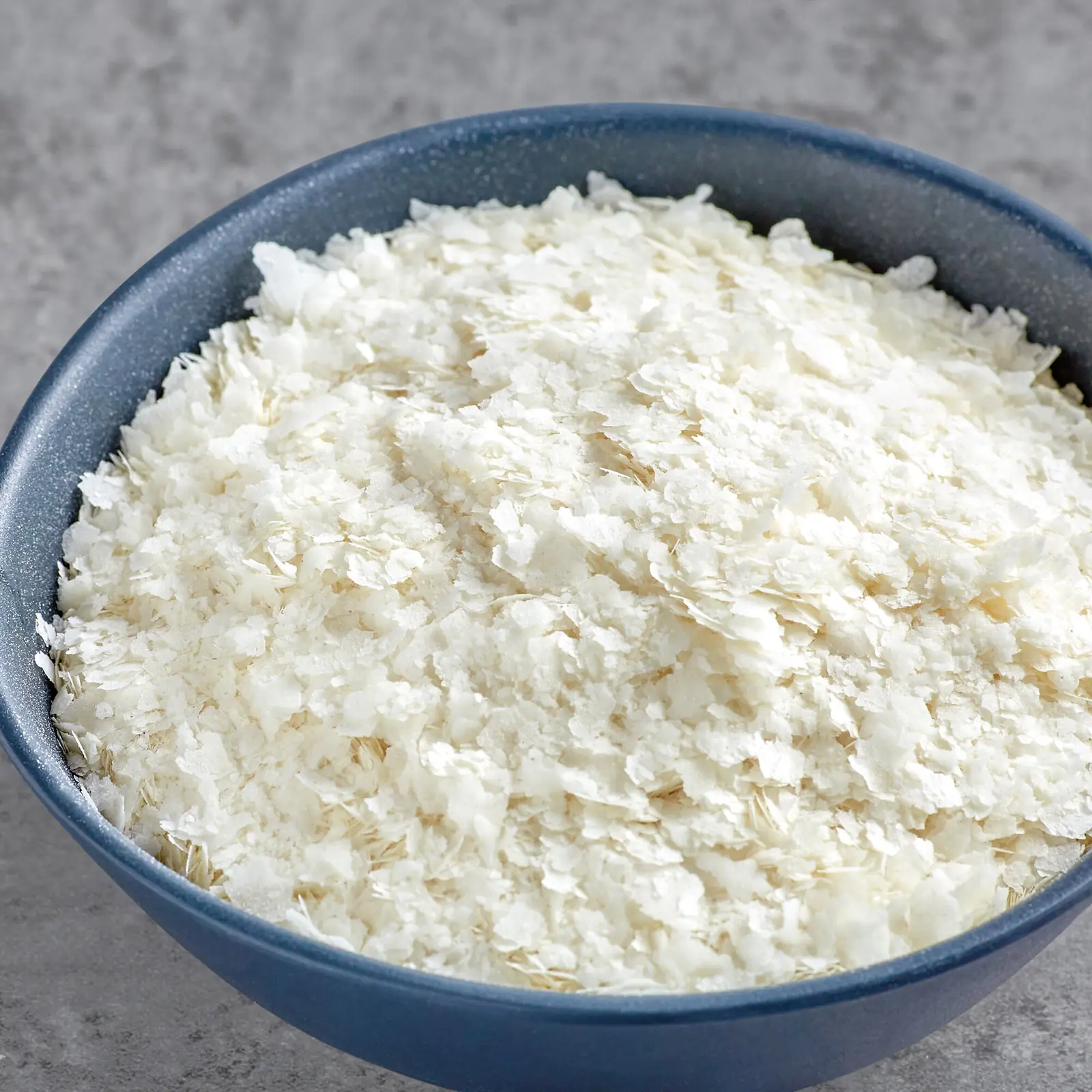
The flaky appearance of snowflake-style potato flour
Potato Flakes

Potato Flakes

Using a single-cylinder drum drying process followed by grinding and screening, the product is processed into 20–40-mesh potato flakes. It retains the natural aroma of potatoes and part of their cellular structure; when rehydrated, it forms a texture similar to mashed potatoes and can be used in instant mashed potato products, baked goods, and pet food formulation evaluations. Water absorption performance and compatibility with cold-water rehydration must be tested in conjunction with specific product grades and processing methods.

Mesh Size Range
20–40 mesh
Reference Rehydration Ratio
1:4–1:5
Moisture Content Specifications
≤8%
Inquire about snowflake specifications and samples →
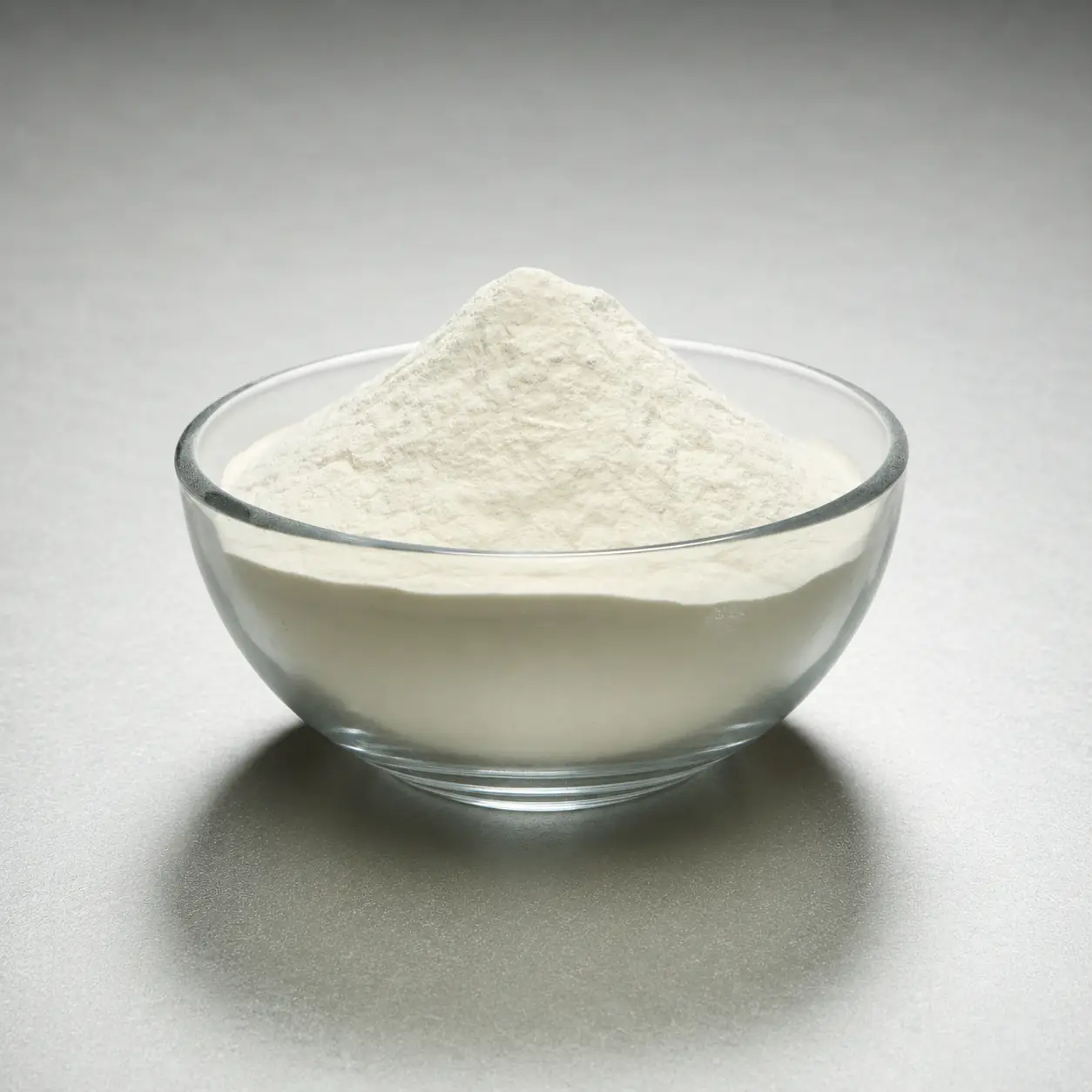
The fine-grained appearance of potato granule flour
Potato Granules

Potato Granules

Particle size is controlled through grinding and screening to produce a fine particle size of 40–60 mesh, making it easy to blend with other powders. It can be used for formulation evaluation of compound potato chips, snack-style extruded puffed foods, and premixes. When selecting a product, please consider particle size distribution, water absorption characteristics, and processing methods, rather than simply comparing mesh sizes.

Mesh Size Range
40–60 mesh
Reference Rehydration Ratio
1:3–1:4
Powder Properties
Fine granules / Easy to mix
Inquire about granule and powder specifications and samples →

The above serves as a general reference for product selection. Mesh size must be confirmed in conjunction with the screen mesh standard and the pass rate; for the water-to-powder ratio, the metering diameter, water temperature, time, and mixing conditions must be specified. Delivery specifications shall be subject to the product specifications confirmed by both parties, the terms of the purchase order, and the test results for the corresponding batch.

Certification and Supplier Audits

FSSC 22000 and HALAL,
Support for Supplier Audits and Product Procurement

We provide food safety system and halal certification documentation, along with product specifications and batch test reports, to support food manufacturers, food service supply chains, and raw material distributors in conducting supplier audits.

FOOD SAFETY MANAGEMENT SYSTEM
FSSC 22000

Food Safety Management System Certification

Food safety system documents can be used to verify licensed companies, their scope of production, and their production facilities. The following information is presented based on the details stated in the existing certificates.

Licensed Entities
Hebei Junsheng Agricultural Technology Co., Ltd.
Certificate Registration Number
069FSSC2600014
COID
CHN-1-9009-120223
Scope of Certification
Production of Potato Flour Products (Potato Snowflake Whole Flour) (Steaming, Drying, Milling)
Specify the validity period
May 19, 2026, through May 18, 2029
HALAL CERTIFICATION
HALAL

Halal Certification and Procurement Documentation Support

For food manufacturing facilities, foodservice supply chains, and export orders with halal procurement requirements, we provide existing halal certification documentation and verify the scope of the certificates based on the selected products.

Review Materials
HALAL Certification and Information on the Corresponding Product Scope
Key Points to Check
License Holder, Production Facility, Product Name, Issuing Authority, and Validity Period
Procurement Communication
Describe the product type, intended use, and target market to facilitate comparison with customer requirements.
Export Projects
Approval and registration requirements for the target market must be verified based on the specific certificate and order.
Guidelines for Selecting a Food Processing Plant

Snowflake-shaped pieces and granules,How to Find the Right Product for You?

When purchasing potato flour, first confirm the finished product and processing conditions, then compare specifications and operating costs.

01 / View the finished product

First, clarify the application area

Composite potato chips, extruded snacksFocuses on molding and machining performance;Instant Mashed Potatoes, Central Kitchen Mashed PotatoesFocus on water retention and texture; for baked goods, it is also necessary to evaluate dough workability and moisture retention.

02 / Take a Look at the Craftsmanship

Distinguishing Between Fried and Non-Fried Foods

Indicate whether the product has been deep-fried, baked, or extruded, and provide instructions for adding water and mixing conditions. For deep-fried items, please consult with us.Reducing Sugar Requirements and the Color of the Final Product...You shouldn't judge suitability based solely on the label “low-sugar.”

03 / Look at the Data

Apply the specifications to sample testing

Verify particle size, moisture content, rehydration performance, color, black spots, and microbial requirements. The applications of the two types of whole-grain flour may overlap, butWe do not recommend replacing it on a one-to-one basis without first testing it.。

Selection Guidelines:Potato flour and potato starch are not the same product. When requesting a quote, please specify whether you need snowflake flakes, granulated powder, or starch to minimize misunderstandings regarding specifications and pricing.

Downstream Application Solutions

Four Major Industries,Match Specifications by Application

We’ll discuss the specifications and technical requirements for full-powder formulations tailored to various downstream applications to help you upgrade your product formulations. Actual results may vary depending on the formulation and actual production testing.

01 / SNACKS

Snack-Style Puffed Foods

Whole Potato Flour for Compound Potato ChipsWhen selecting raw materials for extruded and puffed snack foods, experiments can be conducted to evaluate factors such as the degree of puffing, crispness, shaping performance, and raw material cost.

Key Procurement Criteria: Reducing sugars, color, particle size, and processing conditions.

02 / FOOD SERVICE

Fast-Food Supply Chain

AsIngredients for Quick Mashed Potatoes, designed for restaurant chains andCentral Kitchen Mashed PotatoesFormulation Evaluation. By determining the water-to-ingredient ratio and rehydration conditions, we evaluate serving efficiency and taste consistency.

Key Considerations for Procurement: Rehydration temperature, time, and texture after holding.

03 / BAKERY

Industrial Baking and Pastry Making

Potato Flour for Baking and Pastries...the effects on the dough's water-holding capacity, softness, and staling behavior must be evaluated. The shelf life of the finished product must be verified in conjunction with the complete formulation and packaging.

Key Considerations for Procurement: Water Content, Addition Ratio, and Dough Handling.

04 / PET FOOD

Premium Pet Food

Conduct a formulation evaluation of potatoes as a source of carbohydrates in pet food and treats. Whether they are suitable for grain-free formulations and meet digestive and nutritional requirements should be confirmed through testing of all ingredients and the finished product.

Procurement Priorities: Raw material documentation, formulation compatibility, and target market requirements.

Collaboration Across the Entire Industry Chain

From Seed Potatoes to Finished Product
Linking Raw Materials, Storage, Transportation, and Processing

Our four core business units work in tandem to coordinate supply chain operations—from raw material preparation and processing scheduling to finished product delivery—with a focus on the quality of your batches and the consistency of your supply schedule.

01

Virus-Free Seed Potato System

Conduct seed potato operations based on a three-tier propagation system consisting of “virus-free seedlings—primary parent stock—parent stock,” with a focus on the compatibility between the dry matter content of processing varieties and the raw materials. Varieties, propagation levels, and supply arrangements will be determined based on specific projects.

02

Smart Temperature-Controlled Warehousing

Combine temperature and humidity control with raw material storage plans, coordinate the scheduling of fresh potato storage, transportation, and processing, minimize the impact of seasonal supply fluctuations on production schedules, and ensure that the potatoes remain suitable for processing after storage.

03

Processing of Whole Potato Flour

Focus on the release of free starch, dry condition, and particle size control, and provide specifications for snowflake flakes and granular powder. The ingredient composition, quality documentation, and scope of certification will be determined based on the actual product.

04

Advanced Smart Manufacturing Production Lines

Process management will focus on drum drying, temperature control, and production operations to meet the bulk processing needs for potato flour. Equipment configuration and production schedules will be determined through consultation on a project-by-project basis.

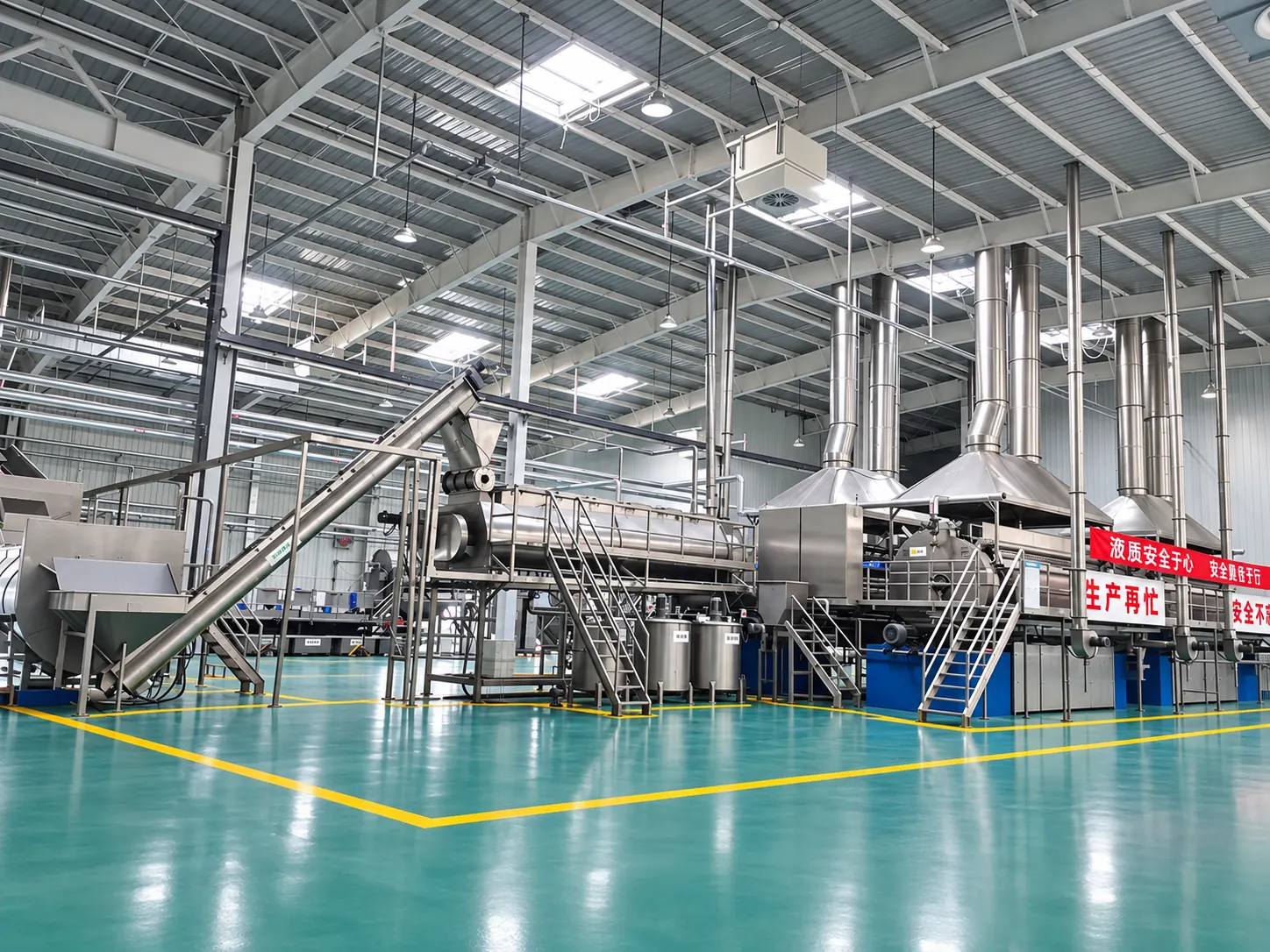
Modern Smart Manufacturing Workshop

Processing of Whole Potato Flour
Core Drying Smart Manufacturing Platform

Focus on the processing workflow—from the intake of fresh potatoes to the production of potato flour—with particular attention to drum drying, process parameters, and process inspections, to ensure that product specifications align with bulk supply requirements.

Potato Flour Processing Line and Drum Drying Equipment
Drum Drying · Process Parameter Control · Process Inspection

High-Performance Single-Cylinder Drum Dryer

Adjust the drum speed, steam pressure, and drying conditions based on the material's state, paying close attention to the potato aroma, cell structure, and moisture content of the finished product, and control batch-to-batch variations through process monitoring.

Production Environment and Sanitation Controls

Implement hygiene management practices focused on workshop cleanliness, operator procedures, airflow, and physical barriers to reduce the risk of cross-contamination. Food safety system documentation shall be provided for review in accordance with the actual scope of certification.

Production Data Management

By recording and analyzing key production parameters, the system supports process monitoring and operational management. The scope of data collection, early warning functions, and control methods are subject to the actual equipment configuration.

End-to-End Dynamic Quality Control

During the production process, we combine routine inspections with assessments of material conditions to adjust process parameters—such as drum rotation speed and steam pressure—thereby minimizing the impact of batch-to-batch variations in natural agricultural products on the performance of the finished product.

Quality and Procurement Audits

Quality documentation and batch information,Ensure Audits Are Well-Grounded

From raw material coordination to the shipment of finished goods, we ensure that procurement requirements are applied to specific products, production sites, and delivery batches—rather than simply comparing certificate names.

PRODUCT SPECIFICATIONS

Technical Data Sheet (TDS)

Verify the product name, appearance, particle size, moisture content, and applicable process. Discuss target specifications and testing methods prior to purchase to avoid mistaking reference values for guaranteed values for all batches.

Product ModelSpecifications and Calibers
BATCH INFORMATION

Batch Test Report (COA)

Communicate test data based on actual production and delivery batches, and verify lot numbers, production dates, test items, and results. Sample evaluation and bulk supply shall follow the agreed-upon acceptance criteria.

Batch CorrespondenceAcceptance Requirements
SCOPE OF CERTIFICATION

Certification Documentation and Scope of Application

Match the certification documents to the selected products and production sites, and then confirm the audit materials required by the customer. Manage certificate records separately from batch testing data to avoid treating system certificates as inspection conclusions for all products.

FSSC 22000HALAL
View Certification and Scope Description →
Procurement Support for Potato Flour

From sample evaluation to bulk purchasing,Key Conditions for One-Time Alignment

Whether you're looking to wholesale Snowflake full-powder, purchase granulated powder, or discuss custom specifications, the process always begins with the application, quantity, and delivery requirements.

Industrial Packaging and Delivery Coordination

Industrial packaging specifications, packaging materials, liners, pallets, and shipping arrangements will be confirmed based on the specific product and order requirements.

  • Packaging Confirmation:Product Name, Net Weight, Lot Number, and Labeling Requirements.
  • Quantity Confirmation:Initial purchase volume, future plans, and requirements for phased delivery.
  • Quote Confirmation:Province and city of delivery, tax-inclusive or tax-exclusive, shipping included or pickup only, quote validity period, and delivery date.
Industrial Packaging and Batch Labeling for Potato Flour
Product Packaging and Batch Information

Sample and Formulation Evaluation

First, let’s discuss your finished product and the manufacturing process, then we’ll determine the sample specifications, quantity, and shipping arrangements. The focus of the testing will be determined by your actual application requirements.

  • Application Description:Assorted potato chips, puffed snacks, mashed potatoes, or baked goods, etc.
  • Conditions:Fried or non-fried; rehydration method and desired texture.
  • Feedback Test:Sample performance, parameters requiring adjustment, and batch acceptance requirements.
Test Records for Potato Full-Flour Samples and Rehydration Tests
Samples and Application Testing
01 / Products

Verify Application and Specifications

Please specify the intended use of the finished product, whether it will be produced using a deep-frying or non-deep-frying process, the target mesh size, and the quantity for the first batch.

02 / Samples

Communication and Sample Evaluation

Confirm the sample model, shipment quantity, and payment arrangements, and conduct testing using the actual formulation.

03 / Quote

Verify the criteria for domestic quotations

Specify taxes, fees, shipping costs, packaging, delivery location, and payment terms to facilitate comparison of procurement costs.

04 / Delivery

Batch Matching and Receiving Requirements

Agreed delivery dates, batch information, arrival inspection requirements, and subsequent restocking plans.

Frequently Asked Questions About Procurement

Before selecting a model,
You may also be interested in

Frequently Asked Questions About Potato Flour, Rehydration Conditions, Frying Applications, and Bulk Purchasing.

What is the difference between whole potato flour and potato starch?

Whole potato flour is made from the entire potato, retaining some of its natural aroma and cellular structure; potato starch, on the other hand, is starch that has been isolated and extracted from potatoes. The two are not the same ingredient and cannot be used interchangeably simply because they are both used in food processing.

When making composite potato chips, why is it important to pay attention to reducing sugars?

Reducing sugars are related to the browning reaction that occurs during frying; when selecting a formulation, they should be evaluated in conjunction with the target color, frying temperature, and frying time. Even after discussing reducing sugar levels, small-scale trials must still be conducted using actual formulations and equipment; a single indicator should not be used as a substitute for testing the final product.

Can snowflake-shaped potato flakes be mixed with cold water to make mashed potatoes?

Some specifications allow for cold-water rehydration testing; however, the rehydration rate and final texture are influenced by the product model, water-to-product ratio, water temperature, and mixing conditions. When used for instant mashed potatoes or in central kitchens, verification should be conducted in accordance with specific product instructions and food processing requirements; “rehydration” should not be interpreted as complete dissolution.

How are the prices and minimum order quantities for potato snowflake slices and potato granules determined?

Please provide the product type, target specifications, initial order quantity, and delivery location. Pricing, minimum order quantity, shipping costs, taxes, packaging, and delivery times must be confirmed on a per-order basis; for long-term procurement, please also specify the estimated usage volume and replenishment schedule.

For which products can FSSC 22000 and HALAL be used in procurement audits?

Please verify the specific scope against the original certificate. The scope stated on this FSSC 22000 certificate page is the production of potato snowflake flour; when purchasing granulated powder, starch, or other products, the actual products and production sites must be verified separately. HALAL requirements must be verified by referring to the certificate, the products being purchased, and the target market; one cannot assume that all products are compliant based solely on the certification name.

For domestic procurement, is it possible to negotiate a delivered quote that includes tax and shipping costs?

Please provide the province and city of delivery, the purchase quantity, product specifications, and unloading requirements. Please also specify whether you require a quote that includes tax and shipping costs, or if you will arrange for pickup yourself. The scope of the quote and who is responsible for the costs must be clearly stated item by item, and the final terms will be based on the order confirmed by both parties.

What information do I need to provide when requesting a quote via WeChat?

Simply provide the product type, intended use, initial order quantity, and delivery location to begin the conversation. If you already have target specifications or certification requirements, you can add them in the WeChat chat. You can organize and copy the inquiry details in the bottom-right corner of the page, then paste and send them after adding a customer service representative; copying the text does not automatically send a message.

What quality documentation should be discussed before making a purchase?

First, confirm the product specifications, target test items, sample evaluation requirements, and whether certification documents such as FSSC 22000 or HALAL are required. Batch reports must correspond to the actual production batches, and certification documents must be verified for the applicable products, production sites, and validity periods.

Wholesale of Snowflake-Style Potato Flour · Procurement of Potato Granules

Tell us about your app,
Provide a more informed basis for powder selection.

Provide the product type, purchase quantity, and delivery location; discuss product specifications, sample evaluation, and bulk pricing.