
In the industrial baking sector, where long shelf life is a priority, "anti-staling" and "moisture retention" are key factors in product shelf life. Traditional solutions rely heavily on monoglycerides and diacetyl tartaric acid esters of mono- and diglycerides (DATEM) to enhance gluten water retention, supplemented by calcium propionate for preservation. However, as consumers demand greater transparency in ingredient lists, the search forClean-Label Food Ingredient SolutionsIt has become a race against time for large baking companies.
Baking-Grade Potato Flour (Snowflake)...is precisely the key to solving this challenge for today’s global baking giants. It is not a preservative, but rather, thanks to its exceptional physical moisture-retention properties, it perfectly replaces the chemical humectants and emulsifiers in dough, thereby eliminating those obscure chemical terms from the ingredient list.
I. Why is baking-grade potato snowflake flour the premier natural moisture retainer?
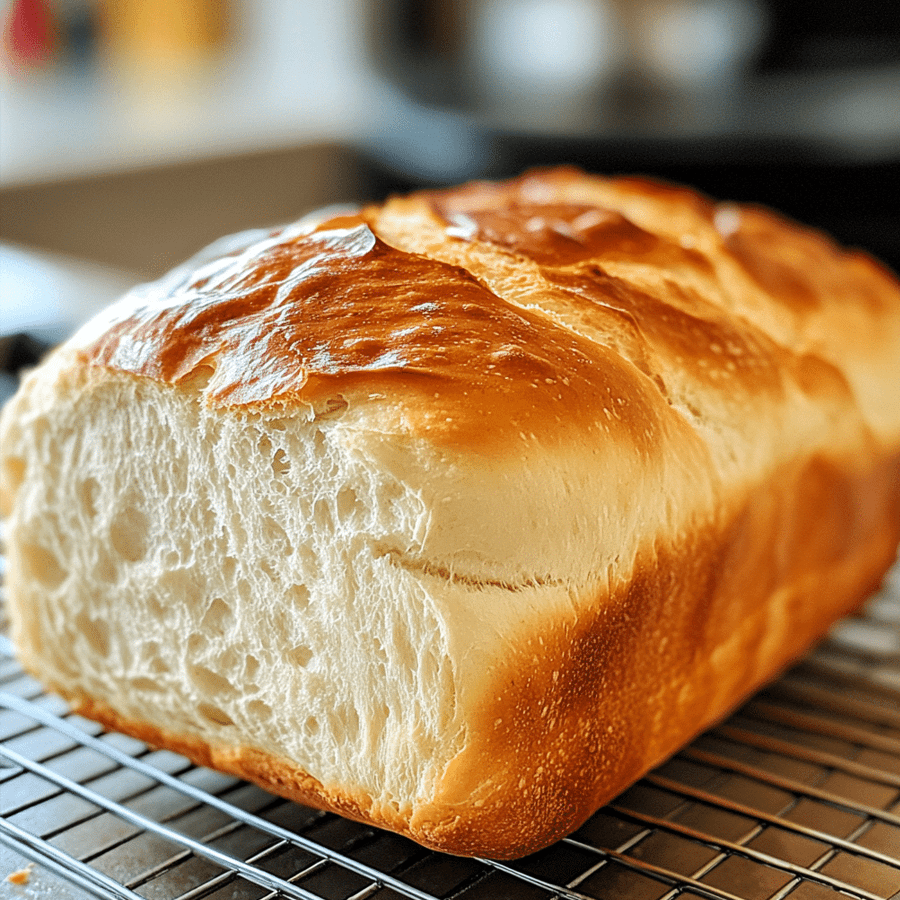
The water-retention capacity of snowflake-style potato flour is not some mystery; it stems fundamentally from the three unique physicochemical structures imparted by industrial-grade drum drying equipment:
-
1
3D Moisture-Lock Pectin Gel
The processing of snowflake flour preserves the intact pectin network of the potato cell walls. When water is added during dough mixing, this network forms a strong gel-like hydrated layer that can bind 4–6 times its own weight in free water, significantly slowing the migration of moisture to the surface of the bread crust.
-
2
Physical Filling of Pregelatinized Starch
Drum drying at temperatures up to 160°C results in 100% pregelatinized whole grain flour (alpha starch). These starch granules rehydrate and expand within the dough, densely filling the voids in the gluten network and effectively blocking pathways for moisture loss during baking.
-
3
The Remarkable Anti-Aging Effects of Natural Phosphate Bonds
Unlike other grains, potato starch naturally contains covalently bound phosphate groups (approximately 0.08%). This negative charge creates a very strong electrostatic repulsion, which significantly hinders the recrystallization of starch chains after cooling (aging and regeneration), making it suitable asIndustrial Baking Dough Improversits most crucial trump card.
Under identical workshop temperature and humidity conditions, when 5% of potato snowflake flour was used to replace chemical emulsifiers such as DATEM in the formulation, the firmness index of the bread after 72 hours of storage at room temperature (25°C) increased by only about 18%, whereas the firmness of the traditional control group increased by as much as 38%.
II. Formulation Improvement: Precise Substitution Ratios and Minor Process Adjustments
Take thisReplacement of Natural HumectantsIncorporating this ingredient into industrial bread recipes is not simply a matter of a one-to-one substitution. Due to the exceptional water absorption and changes in rheological properties that Snowflake Whole Wheat Flour brings to the dough, formulators need to make precise, coordinated adjustments to both the addition ratio and the amount of water added.
📌 Recommended substitution ratios for dry ingredients in baked goods (based on total flour weight)
It is particularly worth noting that, due to their high bran content, whole wheat and multigrain flours have significantly diluted gluten, resulting in dough with extremely poor water-retention capacity. In such recipes, the addition of Snowflake Whole Wheat Flour can work wonders in improving the dough’s structure, significantly mitigating the problems of dryness, hardness, and crumbling commonly associated with whole-grain bread after it hits the market.
① The amount of water added needs to be increased: Snowflake whole wheat flour has a water absorption rate that is 30% or more higher than that of wheat flour. Generally, for every 1% of Snowflake whole wheat flour added, the total water content in the recipe should be increased by 0.3–0.5%. If the water content is not adjusted, the dough will become too stiff, causing the gluten to break.
② Shorter mixing time: Pregelatinized starch accelerates the formation of the dough network. It is recommended to shorten the mixing time by 10–15% to prevent the dough from overheating during mixing.
III. Key Comparison: The Overwhelming Advantages of Clean-Label Ingredients
| Evaluation Criteria | Potato Snowflake Whole-Grain Flour (Recommended) | DATEM / Monoglyceride |
|---|---|---|
| Mechanism of Action | 3D Pectin Moisture Lock + Phosphate Anti-Recrystallization | Reducing Interfacial Tension Through Emulsification |
| Label Compliance | All-Natural Agricultural Products | Chemically Synthesized Additives |
| 72-hour moisture retention effect | Excellence (the crumb is exceptionally light, fluffy, and soft) | Good |
| Added Flavor Value | Delivers the natural aroma of roasted potatoes and a golden-brown crust | Unflavored |
| Consumer Perception Potential | Health Claims Commanding High Premiums | Ingredients-List Anxiety |
IV. How to Select a High-Quality Industrial Baking-Grade Dough-Improving Whole Wheat Flour?
By no means can all commercially available whole wheat flour meet the requirements of high-end baking. If the moisture content of the whole wheat flour does not meet standards or the rate of damaged starch cells is too high (resulting in a sticky dough), it will directly lead to disaster on large-scale production lines. Procurement departments at major food conglomerates must focus on three key source-side criteria:
-
1
Viscosity Characteristics: The RVA peak value must meet the specified standard.
Peak viscosity is the most direct indicator of water-holding capacity. If the peak viscosity is too low (<800 cP), it indicates that the manufacturer’s production process has caused severe degradation of the starch, significantly reducing its water-holding capacity.
-
2
Strict moisture control (≤ 8%)
Whole-grain flour with high moisture content has a short shelf life and is highly prone to caking when mixed with dry ingredients. This puts the supplier’s capabilities to the test10,000-metric-ton Constant Temperature and Humidity WarehouseThe system's strong capital base.
-
3
A 304 Production Line That Eliminates Burn Marks
Burn marks (black specks) caused by wear on the drum scraper blades or uneven heating are magnified infinitely in the white crumb of the bread. Only a complete SUS304/316 food-grade stainless steel production line, combined with high-precision pneumatic scrapers, can deliver pure, flawless bakery-grade whole-grain flour.