
Applications of Potato-Based Ingredients in Prepared Meals, Processed Foods, and Convenience Foods
In recent years, ready-to-cook meals have become incredibly popular, with frozen prepared foods, self-heating rice, and instant dishes filling supermarket shelves and takeout kitchens. What many people don’t realize is that hidden within the ingredient lists of these products is a low-key yet extremely common “unsung hero”—potato-based ingredients.
It could be whole potato flour, granulated whole potato flour, potato starch, or modified starch. While the names sound similar, they each serve distinct purposes. Today, we’ll take a look at exactly what roles these “potato powders” play in pre-prepared meals, processed foods, and convenience foods.
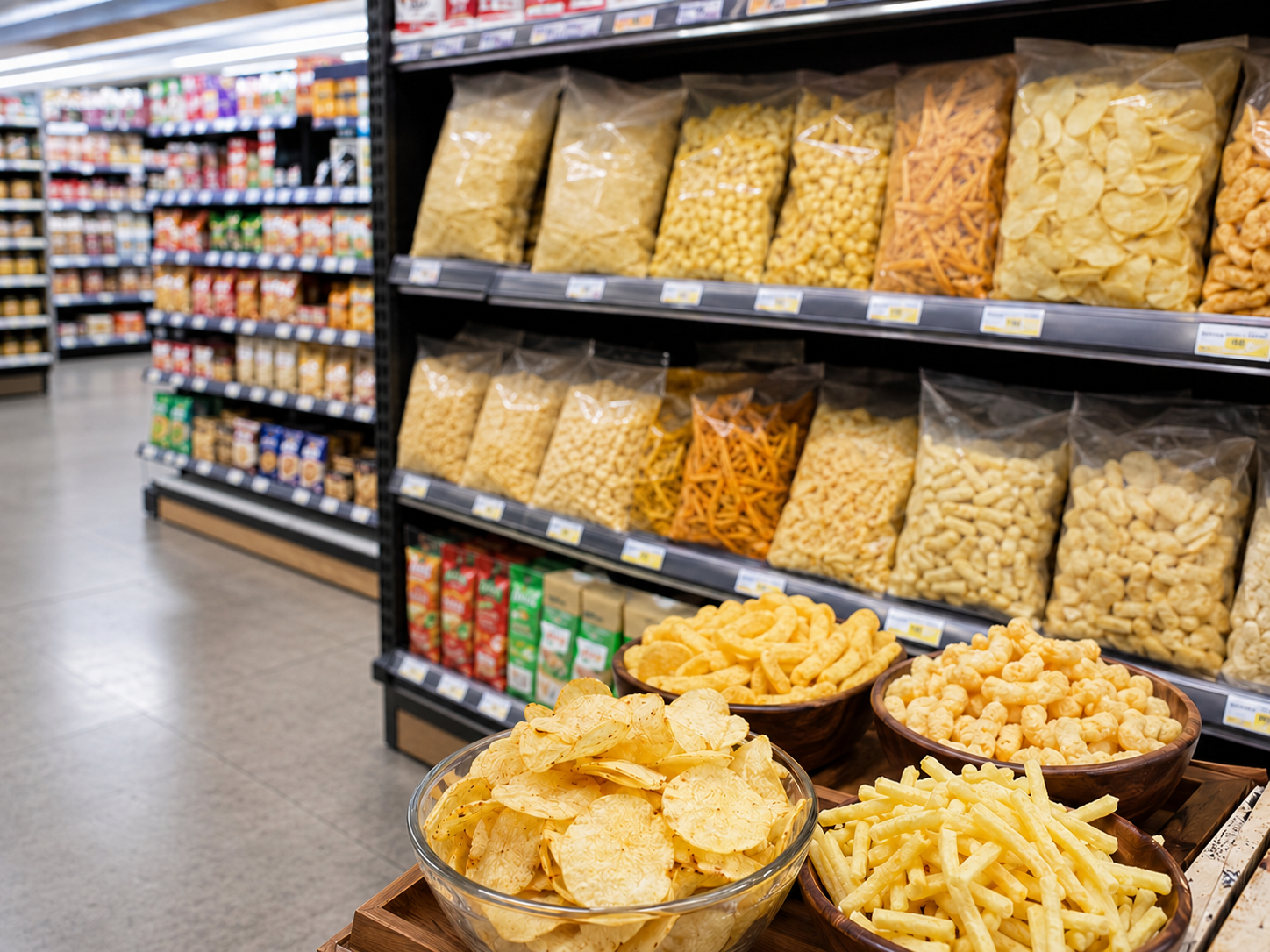
First, let’s make one thing clear: this “fan” is not that “fan.”
When people hear the term “potato starch,” many tend to get confused. Let’s first clarify a few concepts so we can understand them properly later on.
Whole Potato Flour...including snow potato flour and granulated potato flour, which are made by dehydrating and grinding steamed potatoes, retaining all of the potatoes“ dry matter; when water is added, they can be reconstituted into mashed potatoes, and are marketed for their ”potato flavor and nutrition."
Potato starch...It extracts only the starch from potatoes, contains no protein or fiber, and is primarily used for thickening, making sauces, and retaining moisture; it has virtually no potato flavor.
Modified Potato Starch...is a type of starch that has undergone physical or chemical modification to achieve better freeze-thaw stability, heat resistance, and acid and alkali resistance; it represents cutting-edge technology in the food industry.
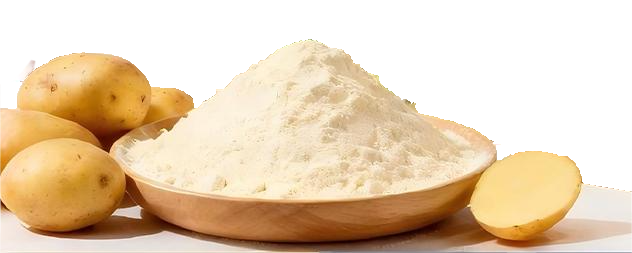
Potato Flour: Features a potato flavor
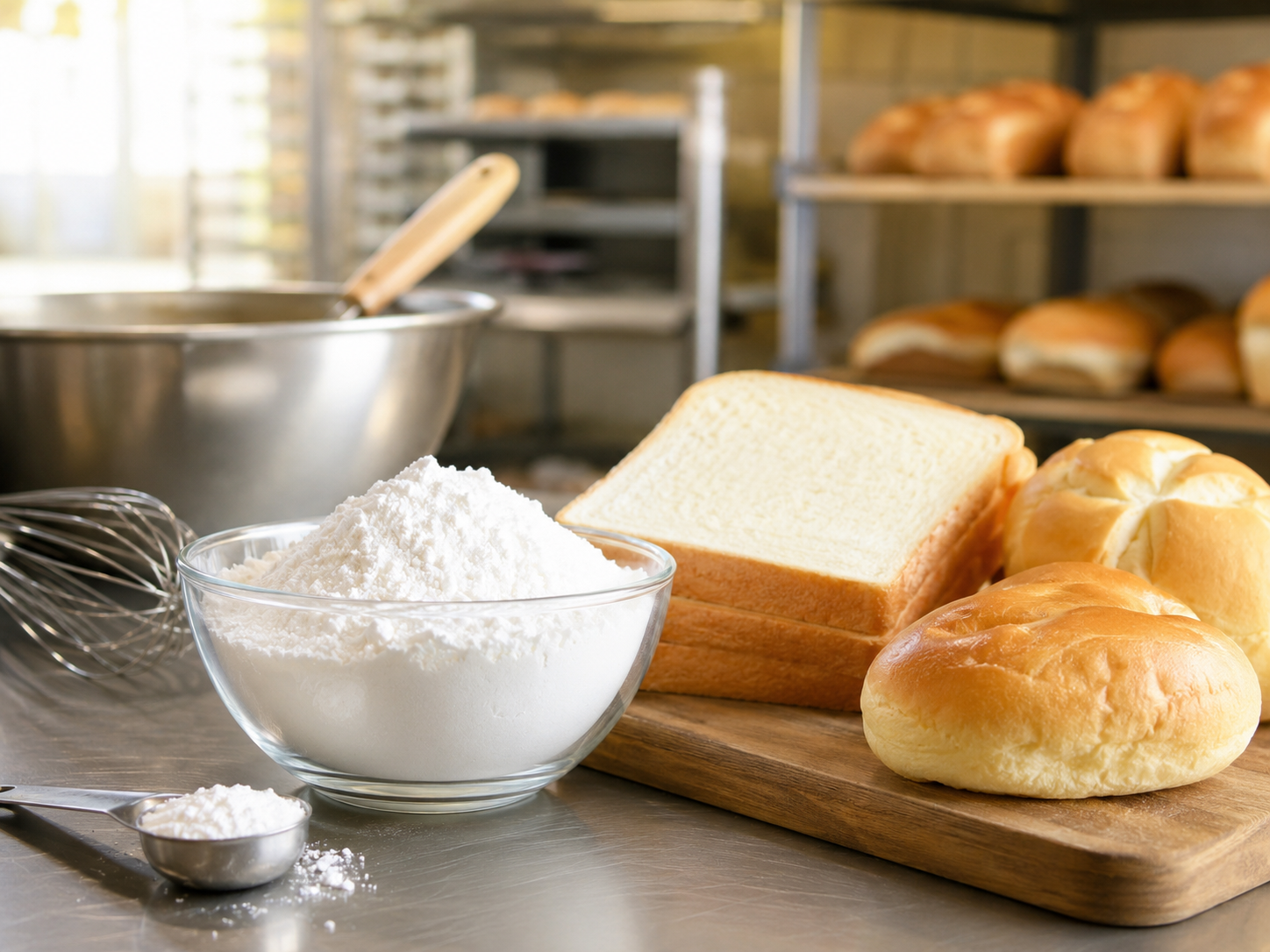
Starch: Key Functional Properties
In the world of ready-to-cook meals: both the star and a supporting player
The variety of ready-to-cook meals is vast, and potato starch plays a versatile role in them.
When You're the Main Character...it directly forms the main component of the dish. For example, pre-made mashed potatoes, potato patties, potato grids, and croquettes can be easily reconstituted using potato flour—simply add water. This eliminates the need to peel and steam potatoes every day, ensuring consistent quality, low waste, and independence from potato seasonality and variety.
When Playing a Supporting Role...It’s hidden in sauces and meat products. One of the major drawbacks of ready-to-eat meals is that “they don’t taste good after reheating”: the broth becomes watery, the meat gets tough, and the texture becomes dry. This is where potato starch or modified starch comes in handy. It helps thicken the sauces in braised and sweet-and-sour dishes, allowing the sauce to coat the ingredients; when used in pre-packaged meatballs, sausages, and luncheon meat, it helps retain moisture and tenderize the meat, ensuring it remains juicy and tender even after reheating.
In Health Foods: Solving the Major Challenge of “Freezing”
The most typical examples of processed foods are frozen foods—such as frozen meatballs, frozen battered foods, frozen pastries, and frozen vegetarian dishes. These products face one unavoidable challenge: freezing and repeated thawing.
Regular starch is prone to aging and retrogradation at low temperatures, causing the product to release water, become hard, and develop a poor texture. This is why some frozen foods become dry and crumbly after being stored for a long time. AndModified Potato StarchIt has exceptional freeze-thaw stability and effectively resists aging at low temperatures, ensuring that the product retains its tender and smooth texture even after transportation, storage, and thawing, while minimizing water separation.
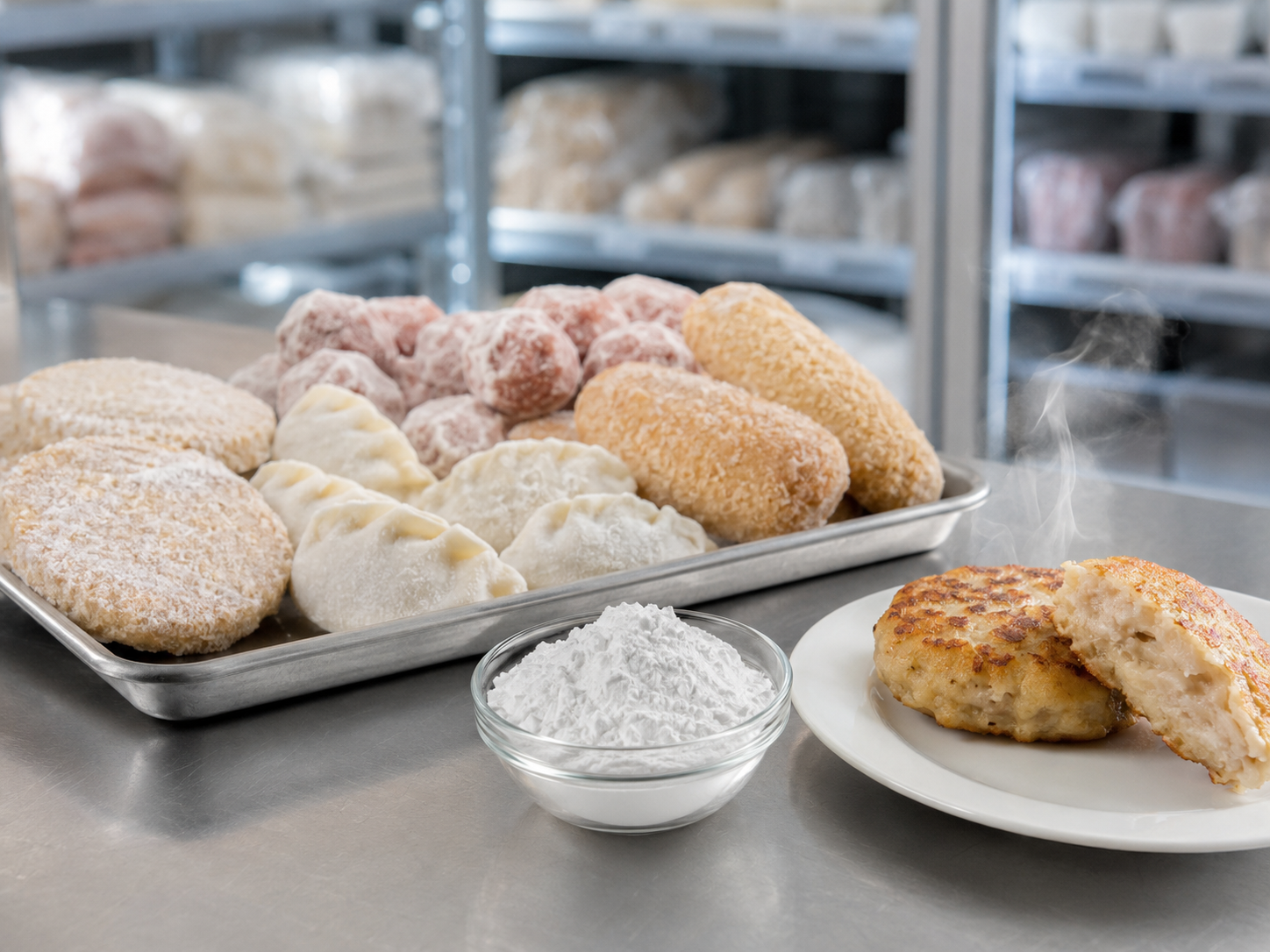
Among products that are coated with flour or batter,For example, in dishes like fried chicken, shrimp cakes, and pork tenderloin, potato starch adds a unique “crispness.” With its low gelatinization temperature and high transparency, it produces a crispy, golden-brown crust when deep-fried. The texture is lighter and crisper than that achieved with wheat flour or cornstarch, and it stays crisp longer—which is the secret behind the “crispy crust” that many dishes tout as their selling point.
And making frozen potato snacks...such as potato patties, French fries, and "wolf's tooth" potatoes—Snowflake All-Purpose Potato Flour once again takes center stage, helping to shape the products and bring out the authentic flavor of potatoes.
In the convenience food sector: It’s all about “speed.”
The essence of convenience foods can be summed up in one word: speed. Whether it’s instant or ready-to-heat, the less hassle, the better. The use of potato starch in these products revolves entirely around “convenience.”
Instant mashed potatoes and instant mixes...When using whole wheat flour directly—especially snowflake whole wheat flour or pre-gelatinized whole wheat flour—simply add hot water, stir, and it’s ready to eat. It retains the original flavor well and has a light, fluffy texture. This is the most straightforward way to use whole wheat flour in convenience foods.
Sauce packets and seasoning packets found in instant noodles, self-heating rice, and instant glass noodles...Modified starch thickens the sauce, ensuring that when the packet is mixed with water, the resulting sauce is thick and flavorful—not just a packet of water.
Instant Vermicelli, Wide Noodles, Spicy and Sour Noodles...Many types of glass noodles—which are crystal-clear, hold up well even after prolonged boiling, and have a smooth, springy texture—are made with potato starch. With its excellent thread-forming properties, high transparency, and great elasticity, it’s the key ingredient that gives the viral “sour and spicy noodles” their signature “chewy and smooth” texture.
Seasoning, moisture retention, and texture enhancement in convenient ready-to-eat meals...From meal kits to ready-to-eat soups, starch-based ingredients quietly play a key role in adjusting texture, ensuring that even affordable, convenient products deliver a smooth and rich taste experience.
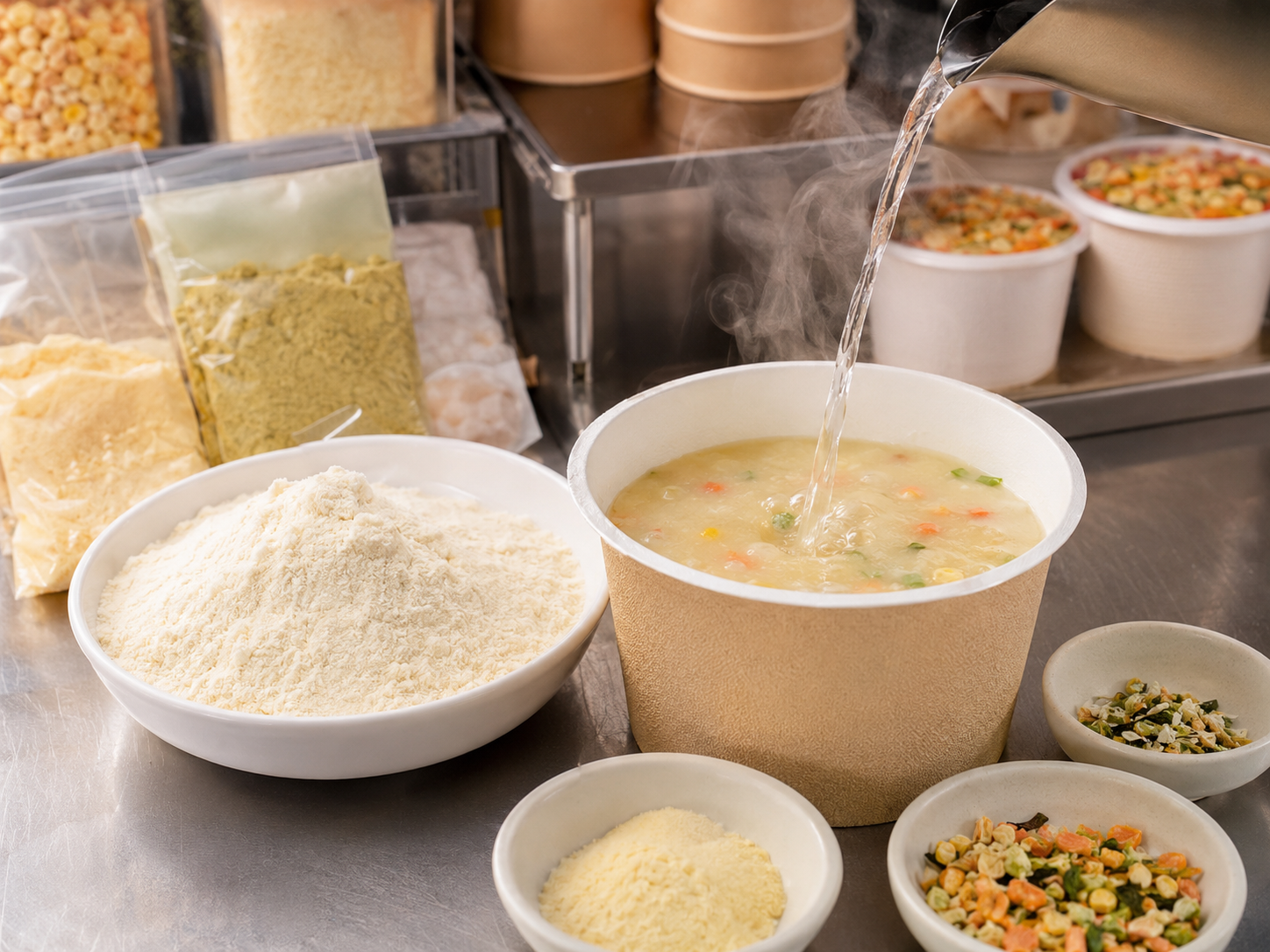
Convenience Foods: Quick Rehydration
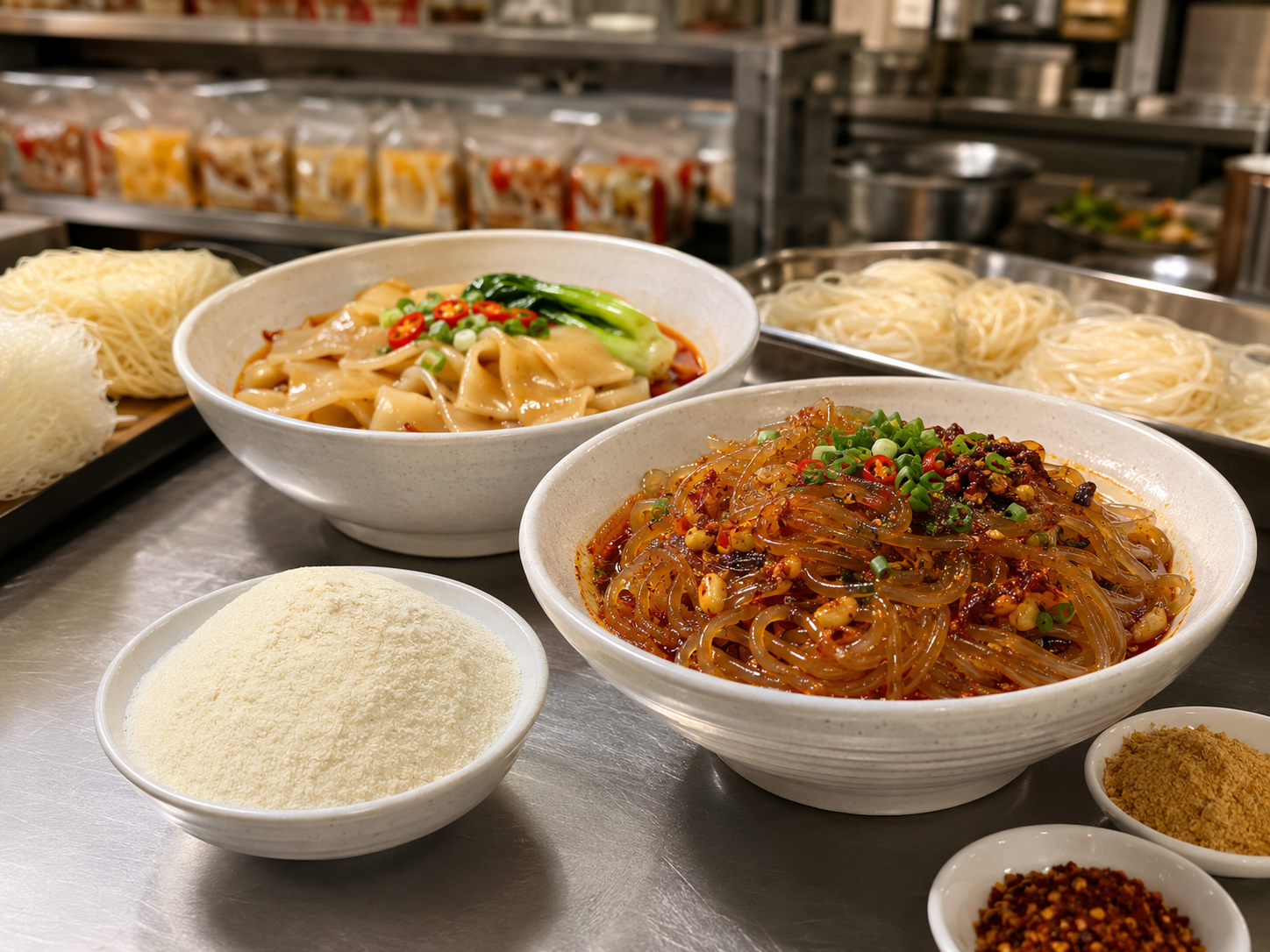
Seasoning Packet: Thickens and Adds Flavor
Why potato starch, of all things, and not something else?
At this point, some people might ask: Since cornstarch, tapioca starch, and wheat flour can also thicken and set, why is potato starch so popular?
A few solid advantages: First,High viscosity, rapid gelation. Potato starch has a low gelatinization temperature and high peak viscosity, so it provides better thickening results at the same dosage and is more economical to use. Second,Good transparency, After gelatinization, it is clear and transparent, making it visually appealing when used in sauces or with vermicelli, and it does not become cloudy. Third,It has a refreshing taste and doesn't leave a sticky feeling in your mouth.Compared to the “starchy” texture of cornstarch, potato starch has a smoother, cleaner mouthfeel.
Fourth,The whole-potato flour has a natural potato flavor and nutritional value....This is something other starches can't offer; when it comes to making products that require that “potato-like” texture, this is the only choice. Fifth,Excellent freeze-thaw stability, especially after modification...which is an absolute necessity in today's world where frozen foods are all the rage.
It is precisely these combined advantages that have led to the increasing use of potato-based ingredients in the growing market for prepared meals and convenience foods.
Tips for Food Companies on Selecting Ingredients
To put it simply, if you work in product development or procurement, keep the following points in mind when selecting potato starch:
- First, define the product's value proposition, then choose the type of powder.If you want a potato flavor and nutritional value, choose whole potato flour; for better shaping, choose snowflake whole potato flour; for a texture that closely resembles fresh potatoes, choose granulated whole potato flour; for thickening and moisture retention, choose potato starch; and for freeze resistance and resistance to staling, choose modified starch. Don’t just stick to one type of “potato flour” for everything.
- For frozen products, it is essential to check their freeze-thaw stability.This is the key to the success or failure of frozen prepared foods; ordinary starch can easily lead to problems.
- Pay attention to signs of a recurrence.The core experience of ready-to-eat meals comes “after reheating,” so when selecting ingredients, it’s essential to conduct a reheating test to see if the food becomes gelatinous or tough and dry.
- Calculate the costs and quantities.Potato starch has a high viscosity, so it’s often used in smaller quantities than other types of starch. Don’t just look at the unit price; calculate the actual cost per serving.
Conclusion
From a bowl of instant mashed potatoes to a piece of crispy fried chicken, to a packet of sour-and-spicy noodles that stay firm even after prolonged cooking, potato-based ingredients have long been a staple in the various pre-packaged and convenience foods we eat every day. Sometimes they’re the star ingredient that holds the product together; other times, they’re the unsung hero that thickens and retains moisture. But regardless of the role, choosing the right starch and using it in the right place is what makes an industrially produced food both convenient and delicious.
Key Takeaways
For food companies, understanding the differences between whole-grain flour and starch—and the characteristics of each—is the first step toward creating delicious products. After all, in today’s increasingly competitive ready-to-cook meal market, whether a product tastes good or not often comes down to these “invisible ingredients.”